

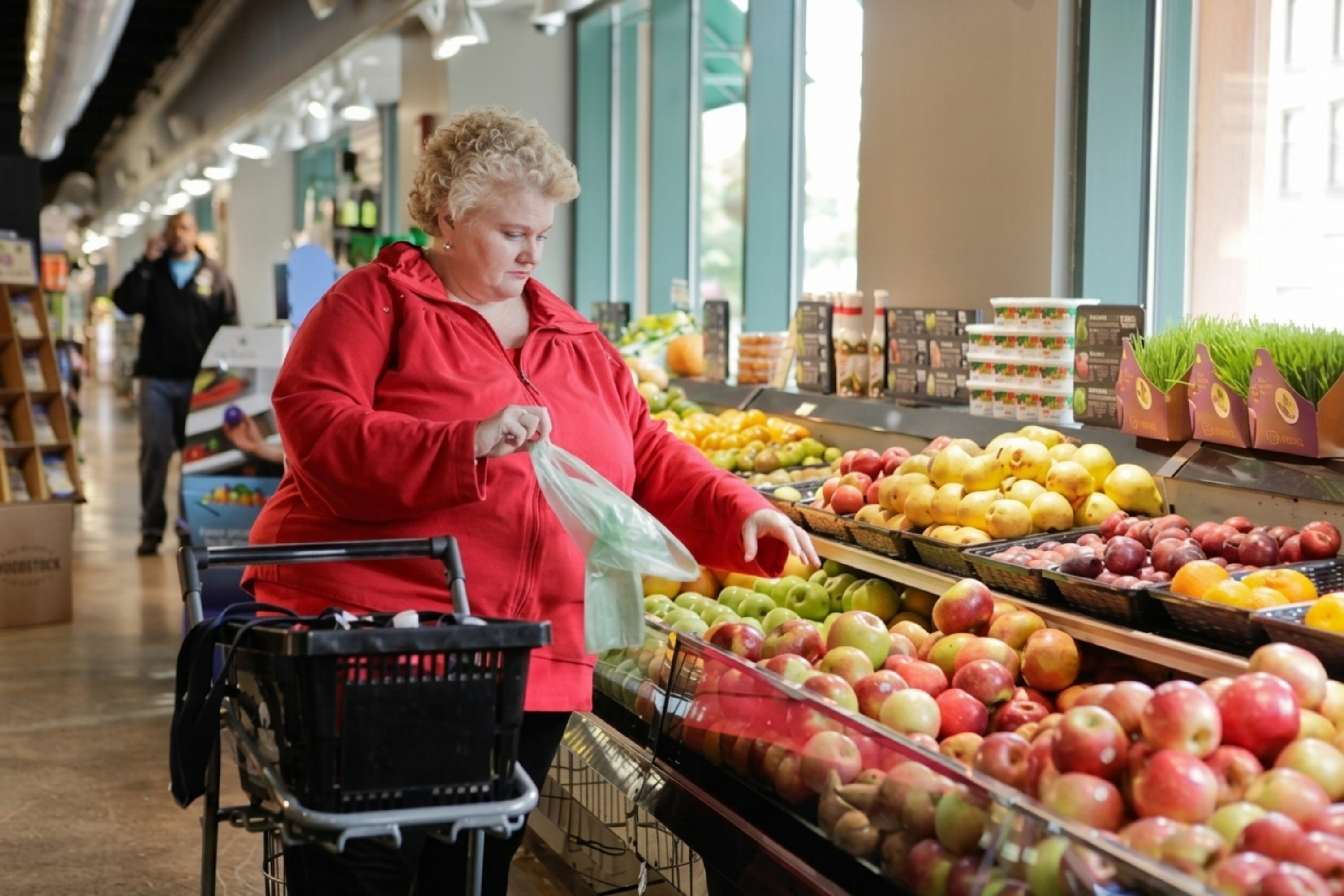
When it comes to losing weight and improving long-term health, many people focus heavily on exercise routines, calorie counting apps, and trendy diets. While those factors can help, one of the most powerful tools for successful weight loss actually begins before meals are prepared — at the grocery store. The foods you bring into your home directly influence your eating habits, cravings, portion control, energy levels, and overall success. Smart grocery shopping is not simply about buying “diet food.” It is about creating an environment where healthier choices become easier, more convenient, and more sustainable. At Healthy One Weight Loss, patients learn that sustainable weight loss starts with practical lifestyle changes that fit real life. Understanding how to shop smarter can reduce impulsive eating, support metabolism, stabilize blood sugar, and help you stay consistent with your goals. To discover more about us and our approach, explore our dedicated pages. In this guide, we will explore comprehensive grocery shopping strategies that can help you make healthier decisions, avoid common pitfalls, and maximize your weight loss results.
Many people underestimate the connection between shopping habits and body weight. However, your grocery cart often predicts your future eating patterns. If your kitchen is filled with processed snacks, sugary drinks, frozen desserts, and convenience foods, resisting temptation becomes difficult. On the other hand, when your home contains nutritious ingredients, healthy eating becomes much more manageable. Smart grocery shopping helps: Reduce overeating
Improve portion control
Minimize emotional eating triggers
Increase nutrient intake
Lower sugar consumption
Reduce unhealthy snacking
Support energy and metabolism
Save money on unhealthy impulse purchases Weight loss success is rarely about perfection. It is about creating systems that make healthy choices easier day after day.
One of the biggest grocery shopping mistakes is entering the store without a plan. Without preparation, people tend to buy foods based on cravings, convenience, or marketing tactics rather than nutritional value.
Create a Weekly Meal Plan
Before shopping, plan your meals for the week. Include: Breakfasts
Lunches
Dinners
Snacks
Healthy beverages Meal planning reduces stress and prevents last-minute unhealthy choices. A simple weekly structure may include: Lean proteins
Vegetables
Fruits
Whole grains
Healthy fats
High-fiber snacks Having a clear plan also prevents food waste and overspending.
A grocery list acts as a roadmap. As experts at the Mayo Clinic emphasize, preparing a structured grocery list ahead of time keeps you focused on healthy items and prevents buying on impulse. People who use lists are less likely to: Buy unhealthy impulse items
Overspend
Forget nutritious essentials
Wander into tempting snack aisles Organize your list by categories: Produce
Protein
Dairy
Frozen foods
Pantry staples
Healthy snacks This saves time and keeps you focused.
This is one of the most important grocery shopping rules for weight loss. Shopping while hungry increases: Impulse purchases
Cravings for high-calorie foods
Sugar-heavy snack buying
Overspending Research consistently shows that hungry shoppers purchase more processed and calorie-dense foods. Before heading to the store, eat: A protein-rich snack
Fruit with nut butter
Greek yogurt
Eggs
A healthy smoothie A satisfied appetite leads to smarter decisions.
Whole foods are minimally processed and naturally nutrient-dense. These foods help: Increase fullness
Support metabolism
Stabilize blood sugar
Reduce cravings
Improve digestion
Examples of Smart Whole Food Choices
Lean Proteins Chicken breast
Turkey
Fish
Eggs
Greek yogurt
Tofu
Beans
Vegetables Spinach
Broccoli
Bell peppers
Cucumbers
Zucchini
Cauliflower
Green beans
Fruits Berries
Apples
Oranges
Bananas
Grapefruit
Kiwi
Healthy Fats Avocados
Nuts
Seeds
Olive oil
Complex Carbohydrates Brown rice
Quinoa
Oats
Sweet potatoes
Whole grain bread Whole foods provide more vitamins, minerals, fiber, and satiety than heavily processed products.
Most grocery stores are designed strategically. The perimeter typically contains: Fresh produce
Lean meats
Dairy
Eggs
Fresh seafood The inner aisles often contain: Sugary cereals
Chips
Candy
Soda
Processed snacks While not every center-aisle item is unhealthy, spending more time around the perimeter can naturally improve food choices.
Food packaging can be misleading. According to guidelines from WebMD, reading nutrition labels carefully helps shoppers navigate misleading marketing claims and uncover hidden sugars and fats. Labels such as: “Natural”
“Low fat”
“Sugar free”
“Organic”
“Light” do not always mean healthy. Understanding nutrition labels helps you make informed decisions.
Key Things to Check
Serving Size Many packages contain multiple servings.
Added Sugars Aim to minimize added sugars whenever possible.
Protein Higher protein foods help control hunger.
Fiber Fiber improves digestion and fullness.
Ingredients List Shorter ingredient lists are often better. Avoid products loaded with: Artificial additives
Hydrogenated oils
Excess sugar
Highly refined ingredients
Protein is one of the most important nutrients for fat loss. Higher protein intake helps: Reduce hunger
Preserve muscle mass
Increase fullness
Support metabolism
Smart Protein Grocery Picks
Eggs
Chicken breast
Salmon
Tuna
Cottage cheese
Greek yogurt
Turkey
Protein shakes with low sugar
Edamame
Lentils Including protein in every meal can improve weight management significantly.
Fiber supports: Digestive health
Blood sugar balance
Appetite control
Reduced cravings High-fiber foods digest more slowly, helping you stay full longer.
Excellent Fiber Sources
Vegetables
Fruits
Beans
Lentils
Oats
Chia seeds
Flaxseeds
Whole grains Many processed foods are stripped of fiber, making overeating easier.
Many products marketed for weight loss are not actually healthy. Common issues include: Artificial sweeteners
Excess sodium
Hidden sugars
Minimal nutrients
Poor satiety Examples: Fat-free desserts
“100 calorie” snack packs
Highly processed protein bars
Sugary meal replacement products Instead of relying heavily on packaged diet foods, focus on balanced nutrition and portion awareness.
Liquid calories can quietly sabotage weight loss. Many beverages contain large amounts of sugar and calories.
Better Drink Options
Water
Sparkling water
Unsweetened tea
Black coffee
Low-sugar protein shakes
Drinks to Limit
Soda
Sweetened coffee drinks
Juice cocktails
Energy drinks
Sweet tea
Alcohol Hydration also supports appetite regulation and energy levels.
Frozen foods are often unfairly criticized. In reality, frozen fruits and vegetables can be: Nutritious
Convenient
Affordable
Long-lasting Choose frozen products without: Heavy sauces
Excess sodium
Added sugars Frozen produce makes healthy meals easier on busy days.
Sugar appears in many unexpected products: Salad dressings
Pasta sauces
Yogurt
Granola bars
Bread
Peanut butter Excess sugar intake contributes to: Weight gain
Blood sugar spikes
Cravings
Increased hunger Learn to identify sugar under different names: Corn syrup
Cane sugar
Maltose
Dextrose
Fructose
Sucrose Reducing hidden sugars can significantly improve weight loss results.
Snacking itself is not necessarily bad. The issue is often the type of snacks available.
Better Snack Options
Greek yogurt
Cottage cheese
Nuts
String cheese
Fresh fruit
Hard-boiled eggs
Hummus with vegetables
Air-popped popcorn
Protein smoothies Keeping healthy snacks accessible reduces the likelihood of overeating junk food.
Buying in bulk can save money and support meal prep. However, large quantities of unhealthy foods can encourage overeating.
Smart bulk purchases include:
Oats
Brown rice
Frozen vegetables
Nuts
Beans
Lean proteins
Avoid stocking excessive amounts of:
Chips
Cookies
Candy
Sugary cereals
Buying foods with meal prep in mind increases consistency. Choose versatile ingredients you can use multiple ways. Examples: Rotisserie chicken
Mixed vegetables
Brown rice
Eggs
Leafy greens
Ground turkey Meal prepping: Saves time
Reduces fast-food dependence
Improves portion control
Keeps healthy meals convenient
Stress, boredom, sadness, and anxiety often influence food choices. Emotional shopping commonly leads to: Comfort food purchases
Sugary snack buying
Impulse spending Before shopping, ask yourself: Am I hungry?
Am I stressed?
Am I shopping emotionally? Mindful shopping improves healthier decision-making.
Even healthy foods can contribute to weight gain when portions are excessive. Smart portion-conscious shopping includes: Individually portioned snacks
Single-serve yogurt
Pre-cut vegetables
Smaller dessert options This helps reduce accidental overeating.
Healthy eating does not require preparing everything from scratch. Convenient healthy foods include: Pre-washed salad mixes
Frozen vegetables
Rotisserie chicken
Microwaveable brown rice
Low-sugar yogurt
Hard-boiled eggs
Fresh fruit cups Convenience can actually support consistency when chosen wisely.
Healthy eating does not need to be expensive. Nutrition guidance from the Cleveland Clinic confirms that staples like frozen vegetables, beans, and canned tuna allow for budget-friendly grocery shopping without compromising health goals.
Budget-Friendly Weight Loss Foods
Eggs
Beans
Lentils
Oats
Frozen vegetables
Tuna
Brown rice
Sweet potatoes
Money-Saving Strategies
Buy seasonal produce
Use store brands
Compare unit prices
Buy frozen produce
Avoid impulse purchases
Stick to your list Consistency matters more than buying expensive “health foods.”
Grocery stores are designed to encourage spending. Common tactics include: Candy near checkout
Eye-level sugary cereals
Bright packaging
“Healthy-looking” snack labels Do not rely on front packaging claims alone. Always review the nutrition facts and ingredient list.
Healthy shopping habits benefit the whole household. Strategies include: Involving kids in meal planning
Buying healthier snack alternatives
Keeping fruits visible
Limiting sugary drinks at home
Preparing balanced family meals Creating a healthier food environment supports long-term wellness for everyone.
One grocery trip will not determine your success. However, repeated healthy shopping habits create powerful long-term results. Small improvements matter: Buying fewer sugary snacks
Choosing healthier proteins
Increasing vegetables
Drinking more water
Planning meals consistently Sustainable weight loss is built through realistic daily decisions. For more helpful guidelines and practical advice, check out our informative health blogs.
Many people struggle with: Emotional eating
Portion control
Cravings
Slow metabolism
Lack of accountability
Confusing nutrition advice Professional guidance can help create a personalized strategy that fits your body, lifestyle, and goals. At Healthy One Weight Loss, patients receive individualized support designed to promote healthier habits and long-term results. Feel free to explore our comprehensive services for tailored solutions. Programs may include: Personalized nutrition guidance
Weight management strategies
Lifestyle coaching
Metabolism-focused support
Accountability and education
What should I avoid buying for weight loss?
Try to limit: Sugary drinks
Candy
Chips
Highly processed snacks
Frozen desserts
Excessively processed convenience foods Focus instead on whole, nutrient-dense foods.
Is organic food necessary for weight loss?
Not necessarily. Weight loss depends more on: Calorie balance
Nutritional quality
Portion control
Consistency Organic foods can be part of a healthy diet, but they are not required for successful weight loss.
How often should I grocery shop?
Many people benefit from shopping once weekly with occasional small trips for fresh produce. Frequent unplanned trips may increase impulse purchases.
Are frozen vegetables healthy?
Yes. Frozen vegetables often retain excellent nutritional value and can be a convenient, affordable option.
What is the best grocery store strategy for beginners?
Start simple: Make a list
Shop after eating
Focus on whole foods
Increase protein and fiber
Reduce sugary snacks Small steps create lasting progress.
Can meal prepping improve weight loss?
Absolutely. Meal prepping reduces reliance on takeout and helps maintain healthier portion control and food choices.
Smart grocery shopping is one of the most underrated tools for healthier weight loss results. The foods you consistently bring home shape your eating habits, cravings, energy levels, and long-term success. By planning meals, reading labels, prioritizing protein and fiber, reducing processed foods, and shopping mindfully, you can create an environment that supports healthier choices every day. Weight loss is not about extreme restriction or perfection. It is about building sustainable habits that become part of your lifestyle. Making smarter grocery decisions today can lead to better health, improved confidence, increased energy, and lasting results over time.
If you are ready to build healthier habits and achieve sustainable weight loss results, professional guidance can make the process easier and more effective. Please feel free to Contact Us at Healthy One Weight Loss today to learn more about personalized weight management support and lifestyle strategies designed to help you succeed.
Address: 1100 West Royalton Road, Suite H Broadview Heights, Ohio 44147
Phone: (440) 230-1113
Website: healthyoneweightloss.com