

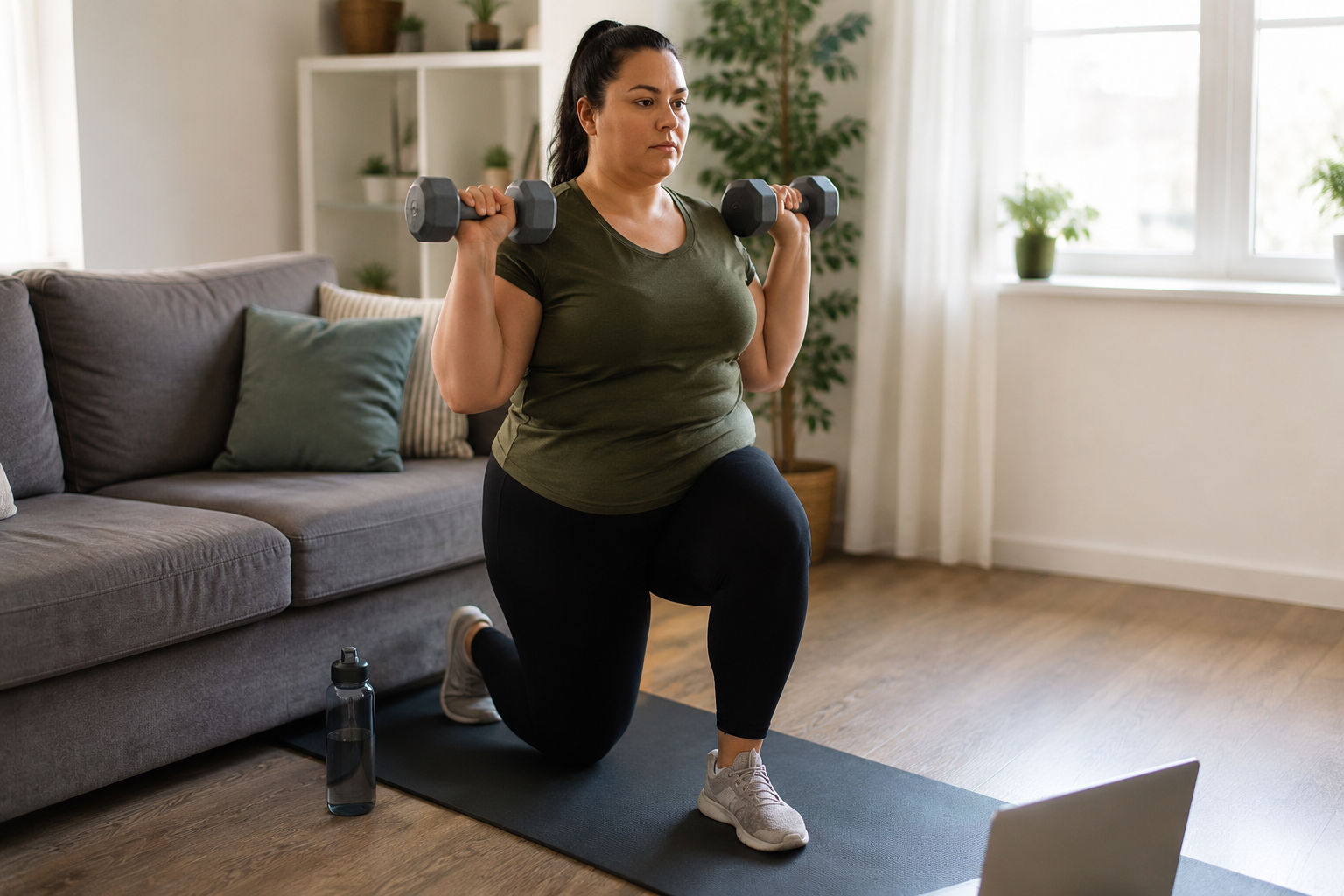
When most people think about weight loss, they immediately think about the number on the scale. While body weight can provide some information about progress, it does not tell the whole story. In fact, focusing exclusively on the scale can be misleading and discouraging. Many people experience significant health improvements, increased strength, better mobility, and noticeable body composition changes even when the scale moves slowly.
One of the most effective ways to achieve healthy, sustainable weight loss is through strength training. While cardio often receives most of the attention in weight-loss conversations, strength training offers unique benefits that go far beyond calorie burning. It helps preserve muscle, improves metabolism, enhances physical function, and supports long-term weight management.
At Healthy One Weight Loss, the focus is not simply on helping patients lose pounds. The goal is to help individuals create lasting lifestyle changes through doctor-supervised weight loss, nutrition guidance, healthy habits, and sustainable approaches that support overall wellness. Their programs emphasize real food, lifestyle transformation, and long-term success rather than quick fixes or fad diets. Learn more about our philosophy and medical team on our About Us page.
In this article, we’ll explore why strength training is one of the most valuable tools for healthy weight loss and why measuring success involves much more than watching the scale.
One of the biggest misconceptions in health and fitness is assuming that weight loss and fat loss are the same thing.
Your body weight consists of several components:
Body fat
Muscle tissue
Water
Bone mass
Organs and connective tissue
When someone loses weight through extreme dieting or unhealthy methods, they often lose both fat and muscle. While the scale may show a lower number, losing muscle can actually make long-term weight management more difficult.
Fat loss, on the other hand, focuses specifically on reducing excess body fat while maintaining or increasing lean muscle tissue.
This distinction matters because muscle plays a critical role in metabolism, physical performance, and overall health.
A person who loses 20 pounds but sacrifices significant muscle mass may not achieve the same health benefits as someone who loses 15 pounds of fat while preserving or building muscle.
Strength training helps shift the focus from simply becoming lighter to becoming healthier, stronger, and more metabolically efficient.
Many people become frustrated when they begin exercising and eating healthier because the scale doesn’t drop as quickly as expected.
However, several positive changes can occur even when body weight remains relatively stable.
Increased Muscle Mass
Muscle tissue is denser than fat tissue.
As individuals engage in resistance training, they may gain lean muscle while simultaneously losing fat. This can result in little change on the scale despite significant improvements in body composition.
Reduced Body Fat Percentage
Body fat percentage often provides a better picture of health than body weight alone.
Someone may weigh the same as before but have substantially less body fat and more lean muscle.
Improved Metabolic Health
Strength training can support:
Better insulin sensitivity
Improved blood sugar regulation
Healthier cholesterol levels
Better cardiovascular health
These improvements may occur before major changes in body weight become noticeable. According to the Cleveland Clinic, regular strength and metabolic conditioning can help regulate key hormones that influence overall metabolic efficiency.
Enhanced Physical Performance
Many people discover they can:
Walk farther
Climb stairs easier
Lift heavier objects
Experience less fatigue
These functional improvements are meaningful signs of progress that cannot be measured by a scale.
Muscle tissue is metabolically active.
This means your body uses energy to maintain muscle even when you’re resting.
Although muscle doesn’t dramatically increase calorie burn on its own, maintaining healthy muscle mass contributes to overall energy expenditure and supports a more efficient metabolism.
When individuals lose muscle through crash diets or excessive calorie restriction, their resting metabolic rate often decreases.
As a result:
Fewer calories are burned each day
Weight regain becomes more likely
Maintaining weight loss becomes harder
Strength training helps preserve valuable muscle tissue during weight-loss efforts.
This is one reason why medically supervised weight-loss programs increasingly emphasize body composition rather than simply reducing total body weight.
Some people mistakenly believe that cardio is the only exercise effective for weight loss.
While cardiovascular exercise certainly has benefits, strength training contributes to calorie expenditure in several important ways.
Calories Burned During Exercise
Resistance training sessions require energy to perform exercises such as:
Squats
Lunges
Deadlifts
Rows
Push-ups
Resistance band movements
The harder the workout, the greater the energy demand.
Post-Exercise Energy Expenditure
After a challenging strength workout, the body continues using energy for recovery processes.
These include:
Muscle repair
Protein synthesis
Tissue rebuilding
Restoration of energy stores
This extended recovery process contributes to overall calorie expenditure.
Long-Term Metabolic Support
By preserving and building lean muscle, strength training supports long-term metabolic health and may help prevent the metabolic slowdown commonly associated with restrictive dieting.
One of the greatest benefits of resistance exercise is its ability to preserve lean muscle during calorie deficits.
Without strength training, the body may break down muscle tissue along with fat stores when calories are reduced.
This can lead to:
Weakness
Reduced metabolism
Poor physical function
Greater likelihood of weight regain
According to the Mayo Clinic, combining healthy nutrition with strength training produces better body composition outcomes than dieting alone.
This is particularly important for adults over 40, as age-related muscle loss naturally increases over time.
Many people become discouraged because the scale does not reflect how dramatically their bodies are changing.
Strength training often leads to:
Smaller waist circumference
Improved posture
Greater muscle definition
Better overall shape
Improved clothing fit
These visible changes often occur before major reductions in body weight.
For example, a person may lose several inches around their waist while losing only a few pounds on the scale.
This happens because muscle occupies less space than fat despite weighing more per volume.
The result is a leaner, stronger appearance even when scale changes are modest.
Weight loss should never be viewed solely through the lens of appearance.
One of the most valuable outcomes of strength training is improved quality of life.
Building strength can make everyday activities easier, including:
Carrying groceries
Playing with children
Yard work
Household chores
Climbing stairs
Getting in and out of chairs
Functional fitness becomes increasingly important as people age.
Maintaining muscle strength supports independence, mobility, and overall health for years to come.
Contrary to popular myths, properly performed strength training can benefit joint health.
Strong muscles help stabilize joints and reduce excessive stress on connective tissues.
Individuals who strengthen key muscle groups often experience:
Better balance
Improved posture
Reduced risk of injury
Less strain on knees and hips
Improved movement patterns
When combined with appropriate mobility exercises and healthy weight management, strength training can support long-term joint function.
Healthy weight loss involves more than physical changes.
Mental and emotional health play a significant role in long-term success.
Strength training has been associated with improvements in:
Confidence
Progressive strength gains provide measurable achievements that build self-confidence.
Stress Management
Physical activity helps reduce stress and supports emotional well-being.
Motivation
Seeing improvements in strength often encourages individuals to continue making healthy lifestyle choices.
Sense of Accomplishment
Every new personal best represents tangible evidence of progress.
This positive reinforcement can be especially helpful during periods when weight loss slows. Explore more helpful articles and insights on our Blogs.
Many quick-fix diets focus exclusively on reducing calories.
Unfortunately, these approaches often fail because they do not address the habits necessary for long-term success. Guidelines from the Centers for Disease Control and Prevention (CDC) emphasize that lasting weight management is built on gradual habit changes and regular physical activity rather than short-term restrictions.
Sustainable weight loss requires:
Consistent healthy eating
Physical activity
Behavioral changes
Ongoing accountability
Realistic expectations
Strength training fits naturally into this framework because it promotes gradual, lasting improvements rather than rapid but temporary results.
Doctor-supervised programs that emphasize lifestyle transformation, nutrition education, and sustainable habits are often more successful than restrictive diets alone. Healthy One Weight Loss emphasizes these long-term lifestyle changes through personalized guidance and ongoing support.
Myth #1: Strength Training Makes You Bulky
Most individuals, especially women, do not gain large amounts of muscle mass from standard strength training.
Instead, they typically become stronger, leaner, and more toned.
Myth #2: Cardio Is Better for Weight Loss
Cardio and strength training both offer benefits.
The most effective programs often combine both forms of exercise along with proper nutrition.
Myth #3: Older Adults Should Avoid Strength Training
Strength training can be beneficial at virtually any age when performed safely and appropriately.
In fact, preserving muscle becomes increasingly important as people get older.
Myth #4: You Must Lift Heavy Weights
Resistance can come from:
Bodyweight exercises
Resistance bands
Machines
Dumbbells
Kettlebells
The key is progressive challenge, not necessarily heavy lifting.
Beginners can start with simple movements targeting major muscle groups.
Examples include:
Lower Body
Squats
Step-ups
Glute bridges
Upper Body
Push-ups
Dumbbell presses
Rows
Core
Planks
Bird dogs
Dead bugs
Aim for two to three strength-training sessions per week while allowing adequate recovery between workouts.
Consistency matters far more than perfection.
Exercise alone cannot compensate for poor nutrition.
Successful weight management typically involves:
Adequate protein intake
Whole-food nutrition
Proper hydration
Balanced meals
Sustainable eating habits
Healthy One Weight Loss emphasizes real-food nutrition, doctor supervision, personalized planning, and lifestyle modifications designed to support safe and effective long-term weight management. Learn about our various care offerings on our main Services page.
When proper nutrition and strength training are combined, individuals often experience:
Better energy levels
Improved recovery
Greater fat loss
Better muscle preservation
Enhanced overall health
Discover how our specialized clinical programs are designed on our Weight Loss Services page.
Rather than focusing solely on body weight, consider tracking:
Body measurements
Progress photos
Strength improvements
Energy levels
Clothing fit
Sleep quality
Mobility
Endurance
These markers often reveal meaningful progress that the scale cannot capture.
Many successful weight-loss journeys include periods where body composition improves dramatically while body weight changes very little.
Lasting weight loss rarely happens overnight.
Research and real-world experience consistently show that sustainable results come from consistent healthy habits practiced over time. Programs that provide education, accountability, personalized guidance, and lifestyle support tend to produce better long-term outcomes than temporary diets alone.
Strength training supports this long-term perspective by helping individuals:
Preserve muscle
Improve metabolism
Increase physical function
Enhance confidence
Maintain healthy habits
Rather than chasing rapid weight loss, focusing on strength and overall health often leads to more meaningful and lasting success.
Does strength training help burn belly fat?
Strength training can contribute to overall fat loss throughout the body. While spot reduction is not possible, reducing overall body fat often leads to decreased abdominal fat over time.
How often should I strength train for weight loss?
Most beginners benefit from two to three sessions per week. More advanced individuals may train more frequently depending on their goals and recovery capacity.
Can I lose weight without doing cardio?
Yes. Weight loss primarily depends on creating a calorie deficit through nutrition and activity. Strength training can be an effective component of a weight-loss plan even without extensive cardio.
Is strength training safe for beginners?
Yes. Beginners can start with bodyweight exercises, resistance bands, or light weights while focusing on proper technique.
Will I gain weight when I start strength training?
Some individuals experience temporary weight fluctuations due to muscle recovery and water retention. This is normal and does not necessarily indicate fat gain.
Is strength training important during a doctor-supervised weight-loss program?
Yes. Strength training helps preserve lean muscle, supports metabolism, and improves overall health during weight-loss efforts.
Healthy weight loss is about much more than a number on the scale. While scale weight can be one measure of progress, it does not capture improvements in body composition, strength, mobility, confidence, or overall health.
Strength training offers powerful benefits that support sustainable weight management by preserving muscle, improving metabolism, enhancing physical function, and helping individuals build healthier lifestyles. Combined with proper nutrition and professional guidance, it can transform not only how you look but also how you feel and function every day.
Rather than focusing solely on losing pounds, consider focusing on becoming stronger, healthier, and more resilient. Those victories often create the foundation for lasting success.
If you’re looking for a doctor-supervised approach to weight loss that focuses on sustainable results, personalized support, real-food nutrition, and long-term lifestyle changes, Healthy One Weight Loss can help.
Healthy One Weight Loss
📍 Address: 1100 West Royalton Road, Suite H, Broadview Heights, Ohio 44147
📞 Phone: (440) 230-1113
🌐 Website: healthyoneweightloss.com
Healthy One Weight Loss provides personalized weight-loss solutions designed to help patients achieve healthier lifestyles through education, accountability, nutrition guidance, and ongoing support. Our mission is to help individuals create lasting changes that improve health, confidence, and quality of life. Get started today by visiting our Contact Us page.