

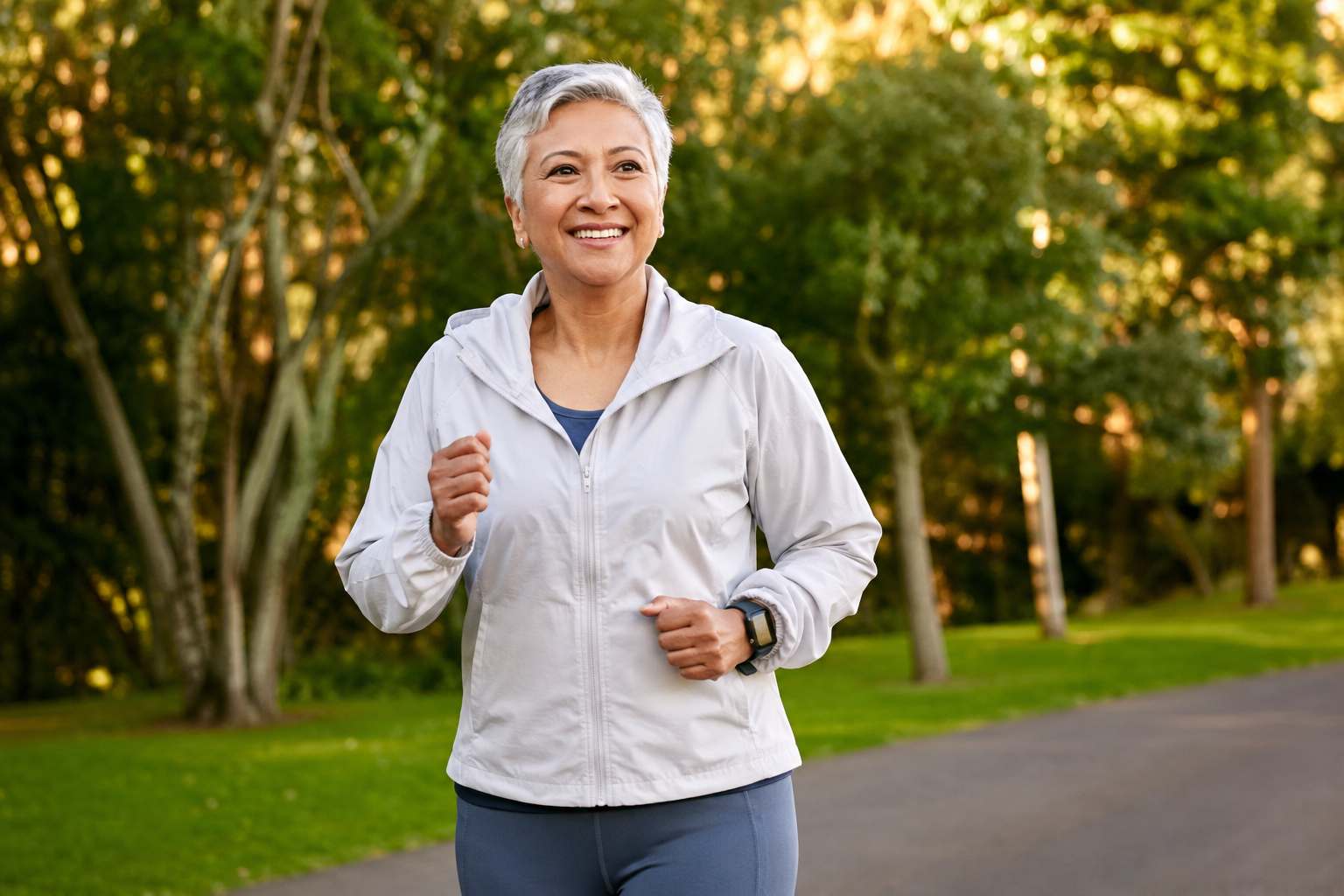
Aging is a natural part of life, but getting older does not mean giving up on your health, energy, mobility, or weight management goals. What changes over the years is how your body responds to food, physical activity, sleep, stress, and changes in muscle mass. Because of this, the strategies that worked in your 20s may not produce the same results in your 40s, 50s, 60s, or beyond.
Healthy aging and weight management work best when the approach evolves with you. Instead of relying on extreme diets or short-term solutions, sustainable progress comes from understanding your changing needs and building habits that support your overall health.
At HealthyOne Weight Loss, our approach focuses on personalized care and practical strategies that can fit different stages of life. Our goal is not simply to help patients see a lower number on the scale. We want to help create healthier habits, better daily function, improved confidence, and a lifestyle that can be maintained for years to come. Our programs emphasize personalized plans, healthy eating, lifestyle changes, and professional guidance throughout the weight loss journey.
Many people notice that maintaining their weight becomes more difficult with age. Several factors can contribute to this change.
Muscle mass naturally tends to decrease as people get older, particularly when strength-building activities are not part of a regular routine. Since muscle tissue uses energy, losing muscle can contribute to changes in daily calorie needs. At the same time, work, family responsibilities, injuries, stress, and other lifestyle factors can reduce physical activity.
Sleep patterns may also change. Poor or inconsistent sleep can affect hunger, energy, food choices, and motivation to stay active. Stress can make healthy routines more difficult to maintain as well.
Hormonal changes may also occur throughout adulthood. These changes can influence body composition, appetite, energy, and where the body tends to store fat.
None of these changes mean healthy weight management is impossible. They simply mean the strategy may need to become more personalized.
Your 20s can be an excellent time to establish habits that make healthy aging easier later.
Rather than focusing exclusively on the scale, concentrate on creating a strong foundation. Regular physical activity, balanced meals, adequate sleep, hydration, and reasonable portion sizes can become routine parts of everyday life.
Protein-rich foods, vegetables, fruits, whole grains, and other nutrient-dense foods can help provide the nutrients your body needs. Learning how to prepare meals at home can also make it easier to control portions and make nutritious choices.
This is also a good decade to develop a healthy relationship with food. Extremely restrictive diets can be difficult to maintain and may encourage an unhealthy cycle of restriction and overeating. Sustainable habits are more useful than temporary rules.
Strength training can also be valuable during this stage. Building and maintaining muscle supports physical function and provides an important foundation for future decades.
The goal is not perfection. The goal is to develop habits that can continue even when life becomes busier.
The 30s often bring significant changes in responsibilities. Careers may become more demanding, relationships and families may require additional attention, and personal time can become limited.
Weight management during this decade often requires planning.
Meal preparation can help prevent convenience foods from becoming the default choice. Keeping nutritious options available at home or at work can make healthy decisions easier when schedules become unpredictable.
Physical activity does not have to mean spending hours at a gym. Walking, strength training, recreational activities, cycling, swimming, and other forms of movement can contribute to an active lifestyle.
Another important strategy is protecting sleep. Consistently sacrificing sleep for work or other responsibilities can make healthy eating and regular exercise harder to maintain.
This is also a decade when small amounts of gradual weight gain can become noticeable over time. Addressing changes early can be easier than waiting until weight gain begins affecting mobility, energy, or overall wellness.
For many adults, the 40s are when previous weight loss strategies begin to feel less effective.
The answer is not necessarily to eat dramatically less or exercise excessively. Instead, it may be time to reassess the entire approach.
Maintaining muscle becomes increasingly important. Strength-based exercise can support muscle preservation while also improving strength and physical function.
Nutrition deserves attention as well. Meals should provide meaningful nutrition rather than simply fewer calories. Protein, fiber-rich foods, vegetables, fruits, and minimally processed foods can help create satisfying meals that support long-term goals.
Portion awareness can also become more important as activity levels and calorie requirements change.
Stress management deserves attention during this decade. Chronic stress can interfere with healthy routines, encourage emotional eating, and make it more difficult to prioritize physical activity.
At HealthyOne Weight Loss, we recognize that weight management is not identical for every patient. Our personalized approach is designed to account for individual goals, needs, preferences, and lifestyle circumstances rather than applying one strategy to everyone.
The 50s can be an important turning point for healthy aging.
Maintaining muscle and physical function becomes increasingly valuable. Strength training, walking, balance exercises, and other appropriate forms of movement can help support independence and mobility.
Nutrition should continue to focus on quality. Adequate protein and nutrient-dense foods can support the body’s changing needs. Fiber-rich foods can also contribute to digestive health and fullness.
This is a good time to pay closer attention to how your body responds to different habits. A routine that once worked may need adjustments.
Weight management should also be viewed beyond appearance. Carrying excess weight can make everyday activities more difficult and may contribute to discomfort in areas such as the back, hips, and knees. Losing excess weight may make movement easier and help people become more active.
Our focus is on helping patients develop practical habits rather than depending on dangerous supplements or prepackaged foods. HealthyOne Weight Loss emphasizes healthy eating and doctor-supervised weight management as part of its overall approach.
Healthy aging in your 60s, 70s, and beyond is not about chasing a specific appearance. It is about maintaining the ability to participate in the activities that make life meaningful.
Mobility, balance, strength, nutrition, and independence become especially important.
Regular movement can include walking, resistance exercises, stretching, balance work, gardening, swimming, or other activities appropriate for your abilities. The best activity is often one that you can perform consistently and safely.
Nutrition should remain a priority. Meals should provide enough protein, vitamins, minerals, fiber, and other nutrients while supporting appropriate weight management.
Hydration is important too. Thirst perception can change with age, making it useful to develop regular hydration habits rather than relying entirely on thirst.
Weight loss goals may also need to be individualized during later adulthood. Rapid or overly restrictive weight loss may not be appropriate for everyone. A personalized plan can help account for individual health circumstances, medications, activity levels, nutritional needs, and goals.
The objective is sustainable progress that supports quality of life.
Although the body changes throughout adulthood, several principles remain useful regardless of age.
Healthy eating does not require eliminating every food you enjoy. Instead, build meals around nutritious ingredients and reasonable portions.
Vegetables, fruits, lean proteins, whole grains, legumes, and other minimally processed foods can provide valuable nutrients while helping create satisfying meals.
You do not need to become an athlete to become more active.
Walking more, taking regular movement breaks, performing strength exercises, and participating in enjoyable physical activities can all contribute to an active lifestyle.
Muscle preservation becomes particularly important as we age. Resistance training and adequate nutrition can help support strength and physical function.
Sleep is part of a healthy lifestyle, not an optional extra. Establishing consistent sleep habits can support energy, mood, food choices, and daily activity.
Stress can affect eating patterns and make healthy routines harder to maintain. Finding practical ways to manage stress can make it easier to stay consistent with nutrition and activity goals.
The scale is only one measurement.
Progress can also include improved energy, better mobility, increased strength, improved eating habits, better-fitting clothes, greater confidence, and the ability to perform daily activities more comfortably.
Sometimes lifestyle changes alone are difficult to implement or maintain. A person may understand what healthy habits look like but still struggle to determine where to begin or how to adapt those habits to their circumstances.
Professional guidance can provide structure and accountability.
At HealthyOne Weight Loss, our services are designed around personalized weight management. We provide guidance intended to address individual goals and lifestyle needs, with doctor-supervised care and support throughout the process. Our programs can incorporate nutritional counseling, fitness planning, and lifestyle changes as appropriate.
A personalized approach can also help identify practical changes instead of encouraging a one-size-fits-all diet.
Is it harder to lose weight as I get older?
Weight management can become more challenging with age because of changes in muscle mass, activity levels, lifestyle, sleep, hormones, and calorie needs. However, healthy weight loss remains possible when strategies are adjusted to individual needs.
Should older adults avoid strength training?
Not necessarily. Appropriate strength exercises can be an important part of maintaining muscle and physical function as people age. Anyone with health concerns or physical limitations should discuss an exercise program with an appropriate healthcare professional.
Do I need to follow a strict diet to lose weight?
Strict diets are not always necessary or sustainable. A balanced approach focused on nutritious foods, appropriate portions, regular movement, and consistent habits can be more practical for long-term weight management.
What should I focus on besides the number on the scale?
Consider energy levels, strength, mobility, sleep, eating habits, physical activity, and your ability to participate in everyday activities. These measurements can provide a broader picture of health and progress.
Can weight management improve quality of life as I age?
For many people, maintaining a healthy weight can make physical activity and everyday movement easier. Weight management should be viewed as one part of a larger strategy for supporting overall wellness and healthy aging.
Can HealthyOne Weight Loss create a personalized plan?
Yes. Our approach emphasizes personalized weight loss plans based on individual goals, needs, preferences, and circumstances. We also provide professional guidance and support throughout the weight management journey.
Healthy aging does not require giving up on weight management. It requires recognizing that your body, lifestyle, priorities, and nutritional needs can change over time.
The best strategy at 25 may not be the best strategy at 45. Likewise, the priorities that matter at 45 may look different at 65. Across every decade, however, the foundation remains consistent: nutritious food, regular movement, adequate sleep, stress management, muscle preservation, and sustainable habits.
Weight management should support your life rather than consume it. With the right approach, each decade can be an opportunity to strengthen healthy habits, improve physical function, and protect your quality of life.
At HealthyOne Weight Loss, our mission is to support patients through personalized care, practical guidance, and lasting weight management solutions. We believe it is never too late to make meaningful changes and take greater control of your health.
If you are ready to approach weight management with a strategy designed around your individual needs, our team is here to help.
Our team provides personalized, doctor-supervised weight loss support designed to help patients work toward healthier, sustainable results. Whether you are beginning your weight loss journey or struggling to make progress after years of trying different approaches, a personalized plan can provide the structure and guidance you need.
HealthyOne Weight Loss
📍 Address: 1100 West Royalton Road, Suite H, Broadview Heights, Ohio 44147
📞 Phone: (440) 230-1113
🌐 Website: healthyoneweightloss.com
Take the next step toward healthier aging, sustainable weight management, and a healthier future. Contact us today to learn more about our personalized approach.